



Fungal Diseases
Fungal infections occur on the skin and skin appendages (hair, nails) and mucosa.
It manifests itself as redness and itching on the skin and discoloration and thickening on the nails.
Fungal infections called tinea are transmitted from human to human and from animal to human. They can also be transmitted through the use of shared towels, clothes, slippers, etc… and through the infected environment. Scalp involvement in children is important as it can also be the cause of permanent baldness.
How are Fungal Infections Transmitted?
Fungal infections are usually transmitted through direct contact. Damp areas such as shared showers, pools, gyms and locker rooms can spread fungi. Contact with infected people’s clothes, towels or shoes also increases the risk of infection. People with weakened immune systems are more susceptible to fungal infections.
What are the Symptoms of Fungal Diseases?
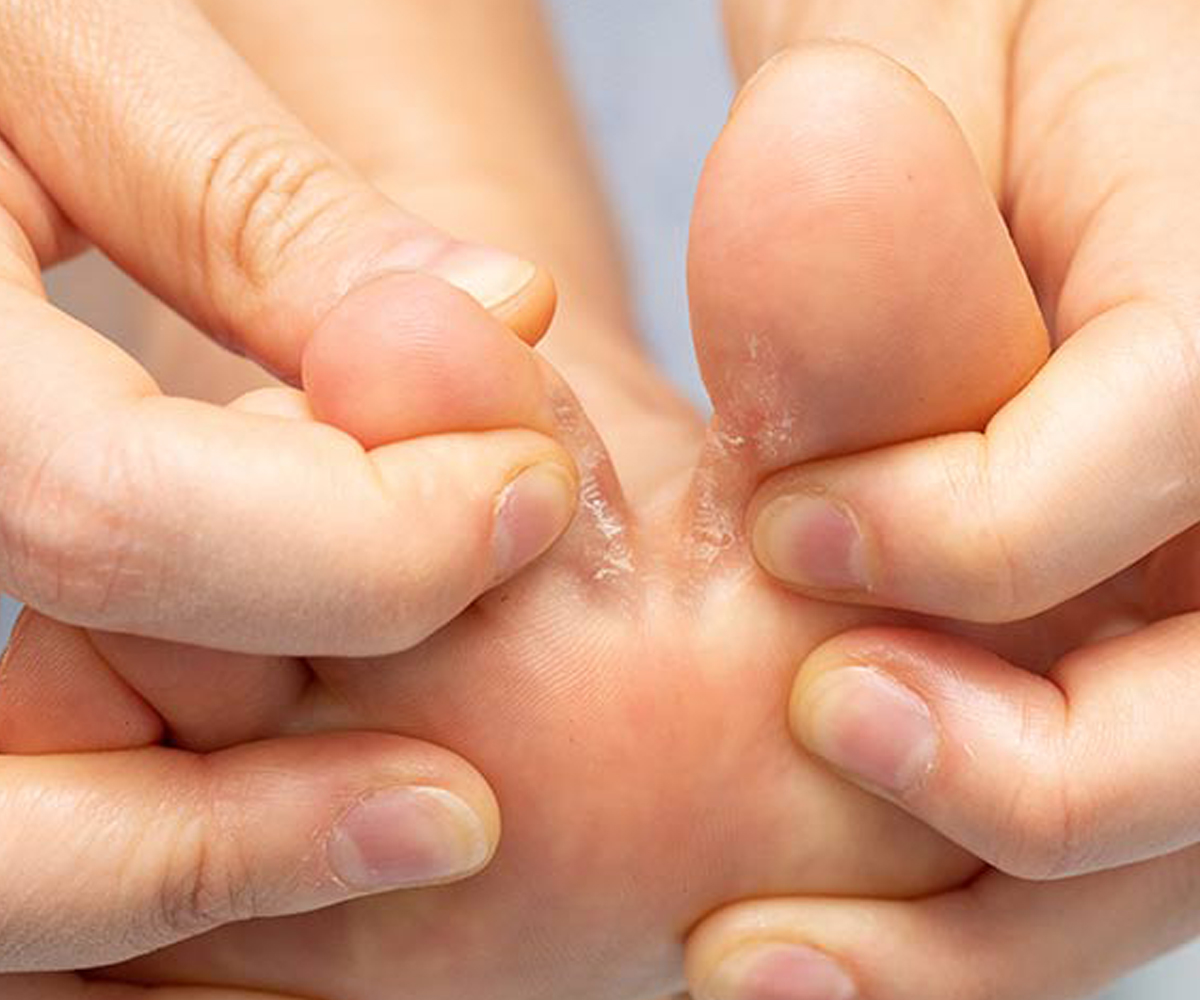
Fungal diseases show different symptoms depending on the area of the body affected. The most common symptoms include itching, redness, blistering and flaking of the skin. Various types of fungal infections are common, including athlete’s foot, inguinal fungus, nail fungus and ringworm. In nail fungus, the nail thickens, turns yellow and becomes deformed. In athlete’s foot, skin peeling, itching and bad odor occur.
Common Types of Fungal Diseases
Athlete’s foot, nail fungus, inguinal fungus and ringworm are the most common types of fungal diseases. Athlete’s foot (Tinea Pedis) is especially common in sportsmen and causes peeling, itching and cracks between the toes. Nail fungus (Onychomycosis) causes thickening, discoloration and deterioration in the structure of the nail. Inguinal fungus (Tinea Cruris) causes itching and redness in the groin area. Ringworm (Tinea Capitis) causes hair loss and itching on the scalp.

How are Fungal Diseases Treated?
Fungal diseases are usually treated with antifungal creams, sprays or pills. Topical antifungal medications are used for superficial fungal infections, while deeper and stubborn infections may require oral antifungal medications. During the treatment process, keeping the infected area clean and dry helps relieve symptoms. Until treatment is complete, fungal disease can be contagious, so personal hygiene is very important.
Things to Consider After Treatment
After treatment for a fungal infection is completed, hygiene habits should be maintained to prevent re-infection. Shoes, socks and towels used during treatment should be thoroughly cleaned. In addition, it is important to continue using the products recommended by the doctor for a while, even if the treatment period is over, in case the fungus recurs. Since fungal infections can easily return, taking preventive measures will prevent recurrence.